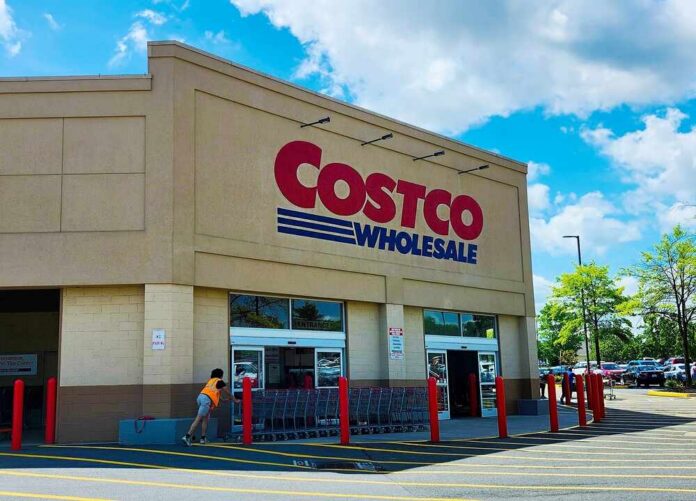
One warehouse chain’s fast warning about tiny bugs on backyard plants just revealed how fragile California’s wine country really is.
Story Snapshot
- Costco alerted customers that certain plants may carry an invasive insect that can kill grapevines and other crops.
- County agriculture offices and the California Department of Food and Agriculture are racing to track down hundreds of customer-bought plants.
- Officials say Costco quickly cooperated, while the deeper failure happened earlier in the nursery supply chain.
- This scare shows how one missed inspection can ripple through vineyards, retail chains, and family gardens across the state.
How a routine plant purchase turned into an invasive pest scare
Customers thought they were buying simple grapevines and desert willow plants for their yards. Instead, some brought home the glassy-winged sharpshooter, an invasive insect that can spread Pierce’s disease, which can kill grapevines and harm other crops like almonds and citrus.
County alerts say that infested grapevines originated at Burchell Nursery in Fresno and were shipped to Costco stores across Northern California between late April and late May. At Napa’s Costco, 220 grapevines arrived; officials destroyed 63 and found one egg mass, but 157 plants are still in the community.
Another wave hit weeks later. Costco desert willow plants sold between June 24 and July 3 came with the same risk, prompting a corporate warning that told customers the insect “can spread harmful plant diseases, including Pierce’s disease, which can kill grapevines”.
The California Department of Food and Agriculture confirmed that inspectors even found multiple egg masses on desert willow shipments, and destroyed all 24 plants in one intercepted batch before they could be sold. That second alert made clear this was not a one-off mistake; it was a system under strain.
What Costco did once the infestation was discovered
County agriculture offices go out of their way to say Costco is not the villain here. Sacramento County’s alert describes Costco as a “cooperative partner” and says the company is directly contacting members who bought grapevines during the affected dates and issuing refunds.
A University of California agriculture update reports that Costco is notifying customers, connecting them with county agricultural commissioners, and supporting inspections and the safe disposal of the plants.
For the desert willow notice, Costco told customers to keep plants on their property and not return them to the store, but promised full refunds if shoppers present the warning letter at the warehouse.
Costco issues warning notice for plant due to invasive insect infestation concern https://t.co/W4FDJ2iqrC
— FOX Business (@FoxBusiness) July 12, 2026
On the ground, inspectors moved quickly once alerted. Sacramento officials report that they destroyed 160 grapevines delivered to local Costco warehouses after finding multiple life stages of the insect on the plants.
Napa officials destroyed dozens of grapevines and found at least one egg mass on those shipments. Agricultural teams seized and destroyed infested plants in other counties as well, sometimes pulling staff from other programs to deal with the threat.
These details matter for anyone judging corporate responsibility: the evidence we have shows that Costco alerted officials, cooperated in the destruction of the plant, and joined public outreach efforts instead of hiding the problem.
Where the real breakdown happened in the supply chain
To understand what went wrong, you have to look upstream, before any cart rolled out of a Costco door. Marin County’s agricultural commissioner bluntly said the key failure was at the shipping nursery: there was an infestation that “wasn’t caught,” the plants were shipped, and local officials were not notified beforehand, even though quarantine rules require that notice.
State agriculture leaders later said the nursery is now under stricter treatment, inspection, and shipping rules, which is a polite way of saying oversight had to be tightened after the fact.
This fits a larger pattern researchers have warned about for years. Studies of the plant trade show invasive species are often sold legally through normal retail channels because risk screening is weak or happens too late.
Costco issues warning notice for plant due to invasive insect infestation concernhttps://t.co/jHrISjWGP8
— Nepa Here (@nepahere) July 13, 2026
California’s own pest prevention review notes that growing trade, travel, and e-commerce are putting more pressure on the system, increasing the odds that pests slip through before inspectors see them. This looks less like a story of one “bad” retailer and more like a case study in why upstream responsibility and strong gatekeeping matter.
When the nursery fails to flag a problem, everyone down the line—Costco, county offices, and homeowners—ends up doing emergency cleanup.
The stakes for wine country, homeowners, and everyday shoppers
Wine growers are not calm about any of this, and they should not be. Farmers interviewed about the glassy-winged sharpshooter warn that if it spreads into major regions like Napa, it can kill vines and make grape growing “economically unviable”.
That is not abstract; it means lost jobs, crushed small wineries, and higher prices for consumers. County alerts across Napa, Sacramento, Santa Clara, and others stress that the insect threatens vineyards, agriculture, and home gardens, not just one crop or one county.
That is why residents who bought plants are told not to bring them back to Costco or toss them in the trash, but to double-bag grapevines, isolate desert willows, and call their agricultural commissioner for inspection and removal.
There is still a loose end that should make any careful reader pause. Officials admit that hundreds of grapevines remain unaccounted for, sitting in backyards and side yards, and they do not know where they went. That gap tells you the limits of any after-the-fact response, even a quick one.
Costco can email and mail notices; counties can post alerts and send crews; but once plants are sold into the wild world of home gardening, tracking every item is nearly impossible.
The lesson here is straightforward: prevention at the source beats chasing problems downstream. When nurseries, regulators, and big retailers get serious about screening and transparency before plants move, homeowners are less likely to wake up and find out their Costco vine is part of a statewide pest crisis.
Sources:
foxbusiness.com, ucanr.edu, kcra.com, saccounty.gov, reddit.com, napacounty.gov, youtube.com, facebook.com, pacificsun.com, cdfa.ca.gov, ag.santaclaracounty.gov, suscon.org, nivemnic.us, my.ucanr.edu